
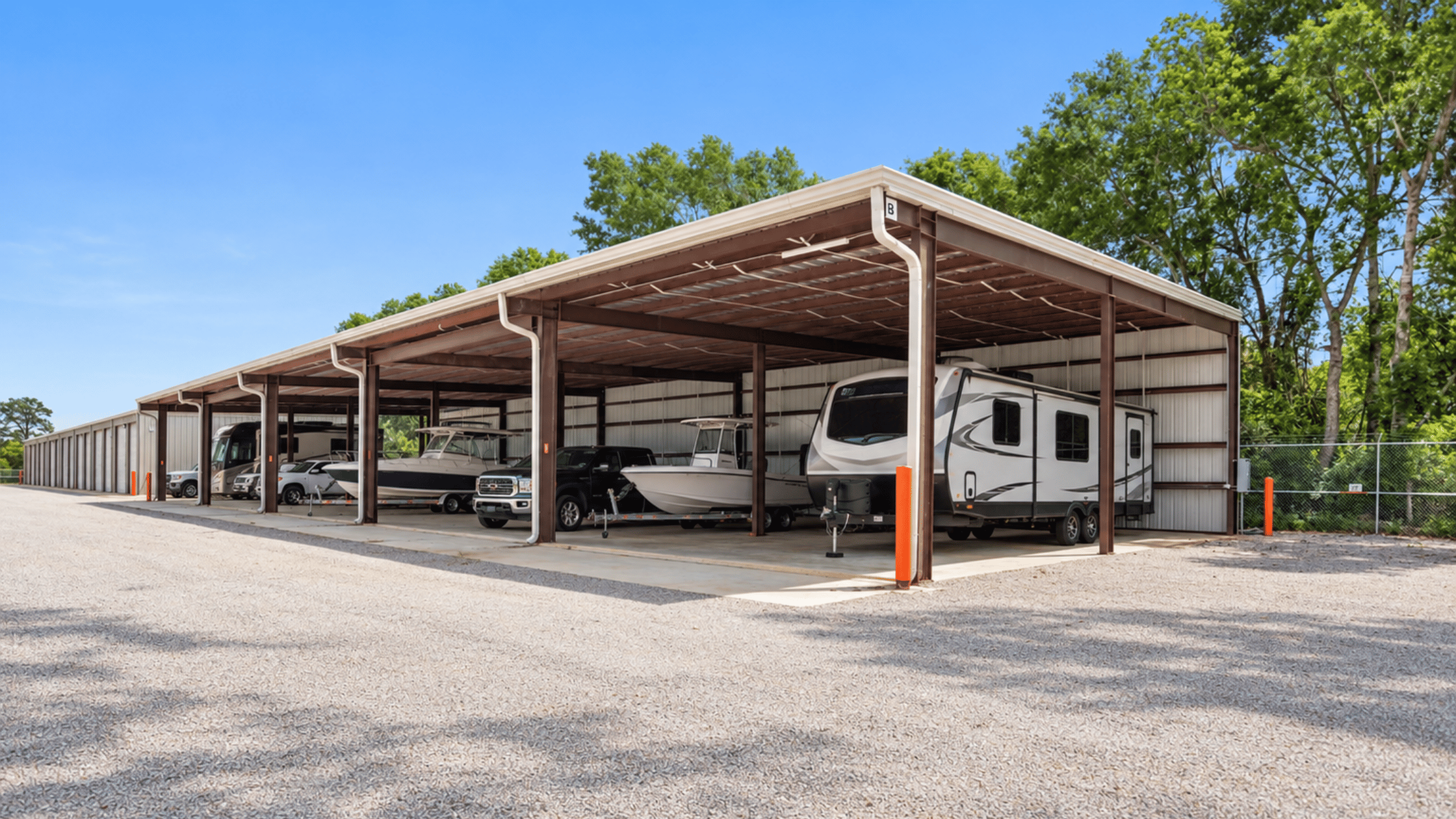
Your next opportunity for growth and untapped revenue could be right in front of you. Those parking spaces that have generated little or no ancillary income beyond rent can start paying for themselves.
Storage Shield, a StorSuite tenant protection plan, is expanding to offer coverage for non-enclosed parking spaces, including spaces used for boats, RVs, vehicles and other eligible property. As a facility owner, you can increase profitability by choosing to offer this protection as an option to your tenants.
If you already rent parking spaces, why not earn more from what you already have? If you have unused space, this may be a good time to explore whether parking could work at your facility.
Either way, start with the practical questions: What can your lot accommodate, what do local customers need, and how will you explain the new protection option clearly?
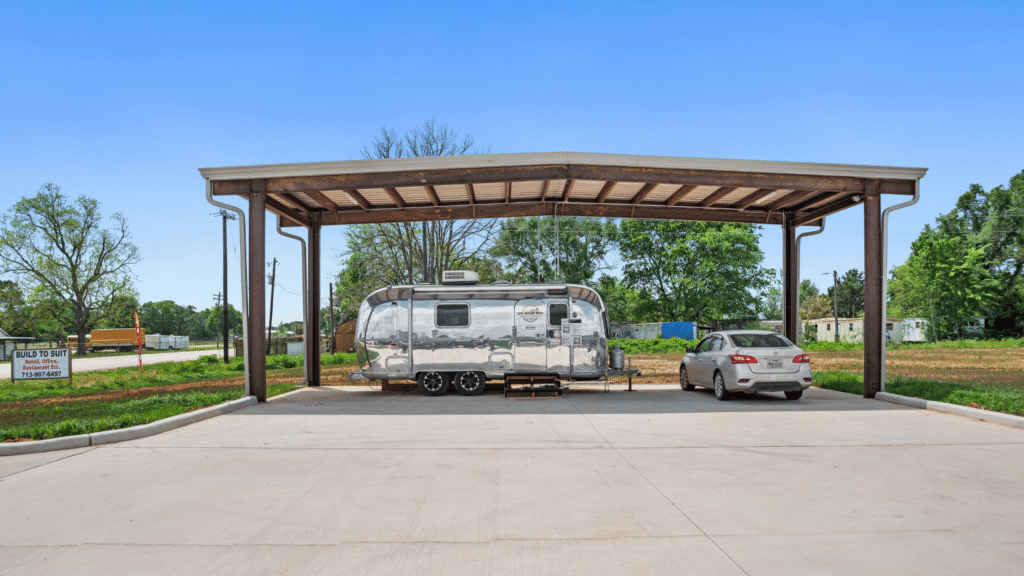
See Your Parking Lot Through a Customer’s Eyes
That open area beside your buildings might look like extra pavement to you. To a customer, it can be a solution.
An RV owner may need a place to park between trips, or a family might need to move a boat trailer out of the driveway. A local contractor could be looking for a convenient spot for a large work vehicle. The RV Industry Association’s owner profile reports that the median RV is used 30 days a year. Owners need a secure, convenient parking space to store these large vehicles between trips.
Walk your property with those customers in mind. Are there spaces a driver can enter and leave comfortably, and do you have wide aisles that can accommodate large vehicles? Is there enough room to keep parked vehicles from blocking storage units or emergency access?
Before adding spaces, it’s a good idea to follow the U.S. Small Business Administration’s zoning guidance that recommends checking requirements with your local planning department.
Match Each Space to the Right Use
You don’t have to accommodate every vehicle, but you do need to accurately describe the spaces you offer.
Measure each spot, along with gate width, turning room and overhead clearance. A space that works for a car may not work for an RV. A boat trailer that fits within a space may still be difficult to maneuver into place.
Provide tenants with clear details so that they can choose a suitable spot. This information also gives your team a straightforward way to answer questions. You don’t want your staff to promise space the property can’t provide.
Give Tenants a Clear Protection Option
Tenant protection should be introduced as part of a helpful rental conversation, without assuming every tenant needs the same solution.
The plan should be clearly explained during the rental process. Describe which spaces and types of property are eligible, what the plan provides, and offer printed materials that help tenants review the terms.
Tenant protection fees should be transparent so customers know what they’re choosing. Take a few minutes to see what protection looks like for your tenants with StorSuite’s tenant protection program. We can help when you’re ready to introduce it to your team.
When tenants understand the options and choose to enroll, protection can add recurring revenue along with parking rent.
Already Offer Storage Shield? Build on What You Know
If your facility already offers Storage Shield tenant protection for storage units, adding the new parking option builds on your existing tenant relationships.
Ask your Storage Shield representative which of your non-enclosed spaces qualify. We’ll help you update your rental process, train your team on the parking plan’s terms, and provide a short explanation to use when a tenant rents a spot.
Tenants can make an informed choice, and you gain a way to earn recurring revenue.
Price and Promote Your Parking Spaces
Start by looking at nearby parking options. Then consider what makes your facility stand out: location, access hours, space size, security and ease of entry all affect the value of a spot.
Your website should make parking options easy to find. List the types of spaces available, their dimensions, access details and any restrictions. Professional photos can help customers picture the layout before visiting. Use search terms that match what you offer, such as RV storage, boat storage or vehicle parking, along with your location.
Once people can find the spaces, make them easy to rent online or in person. Give your team a simple process for confirming that a vehicle fits, reviewing facility rules and presenting the optional protection plan.
Keep the Operation Simple
Your parking strategy needs attention after move-in. Track occupied spots, document the vehicles tenants park there and make sure payments stay current. Set clear rules for assigned spaces, vehicle conditions and activities such as repairs or maintenance done on-site.
Walk the parking area regularly. Visible space markings and clear drive lanes make it easier for tenants to use the lot and for your team to spot problems early. For more ideas on managing access and maintaining your property, read Storage Shield’s guide to self-storage security.
Review and monitor your occupancy regularly. If certain sizes rent quickly while others stay open, you may need to adjust your pricing, promotion or layout.
Give Your Spaces Another Way to Pay for Themselves
You don’t need to add new units to find your next revenue opportunity. Existing parking spaces or usable space on the property can be your source for additional income.
Including optional Storage Shield protection can create an additional recurring revenue stream from eligible spaces. Connect with StorSuite today to find out how to offer Storage Shield protection for your parking tenants.
