
You’ve heard the jokes about self storage being a place where people keep “stuff they don’t need.” However, the reality is that self storage is the place that allows people the option to organize and simplify their lives. That’s exactly why self storage investment remains one of the soundest real estate plays you can make in 2026.
When interest rates shift, housing markets cool, or consumer spending tightens, you want an asset class that doesn’t rely on only one trend. Self storage is stable because demand is powered by everyday transitions that never stop: moving, downsizing, divorce, inheritance, new babies, college, small business growth, renovations, job changes, and more. People might delay buying that new couch, but they don’t delay moving out of an apartment or clearing out an estate.
As an investor, you’re not just buying square footage. You’re buying a business model with multiple tenants, short leases, dynamic pricing, steady local demand, and lower operating costs than most commercial properties. That combination is exactly why self storage continues to attract investors who want flexibility and scalable returns.
If you’re curious about what a well-run self storage facility can look like in 2026, and where the biggest opportunities are, contact StorSuite. We can help you evaluate any opportunity so that you can invest with more confidence.
Why Self Storage Investment Still Works in 2026
In 2026, you’re investing in an environment where renters stay mobile, homeowners still remodel and relocate, and small businesses keep looking for affordable space. Self storage meets all of that with a simple value proposition: safe, convenient space with no long-term commitment.
From an investment standpoint, self storage can offer:
- Diversified income: Instead of one or two big tenants, you can have 300+ customers.
- Short-term leases: You can adjust pricing faster than most property types.
- Resilience in mixed markets: Demand comes from life events, not just economic booms.
- Expandable upside: Revenue management, tenant insurance, retail sales, and operational improvements can add value without new construction.
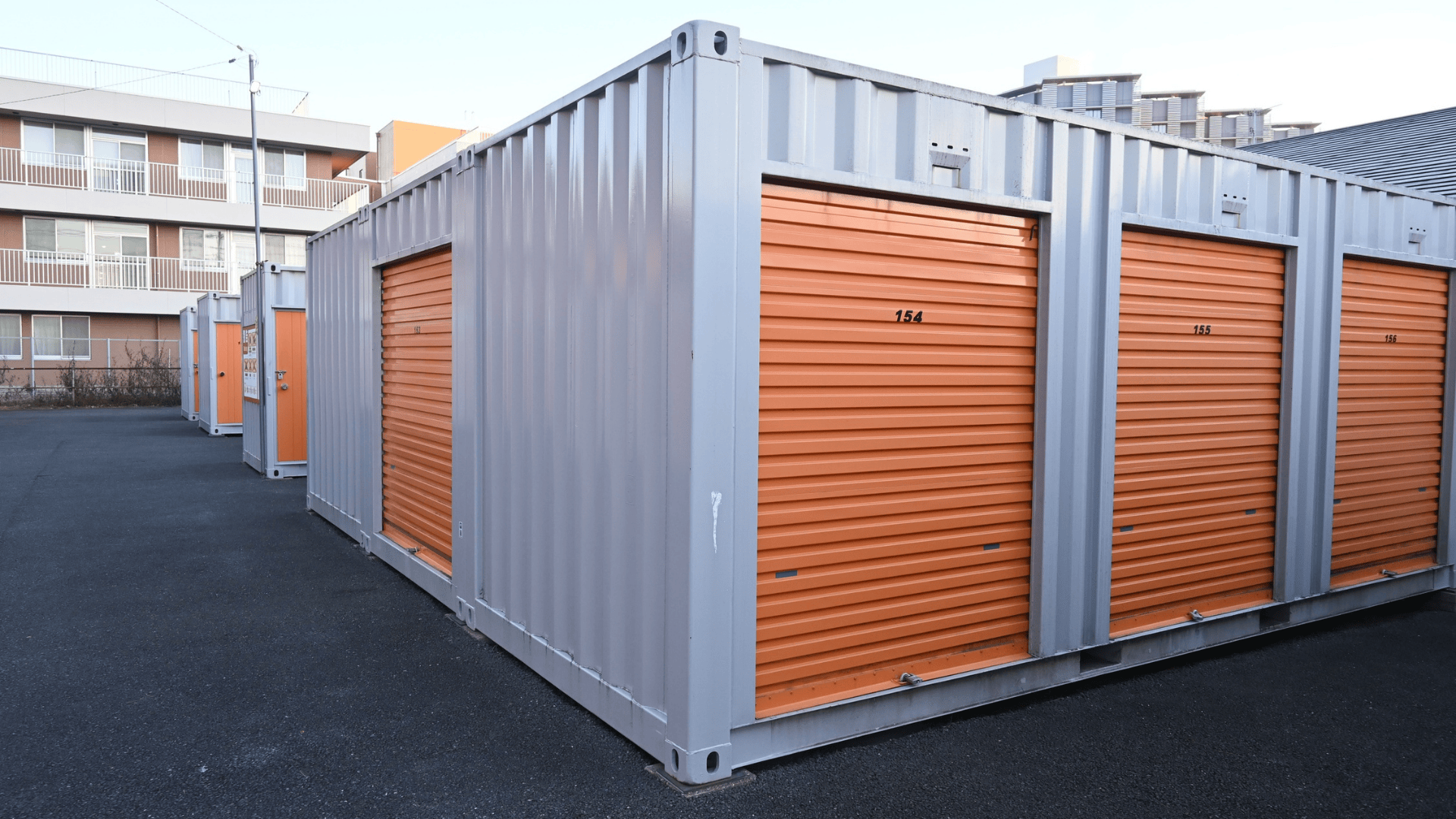
In many communities, the self storage product itself is improving. New facilities aren’t just rows of unattractive roll-up doors. They’re better-built, better-managed, and more aligned with what neighborhoods actually want.

The other half of the story: Great neighbors
A profitable facility is great, but a profitable facility that the community welcomes is even better.
Self storage has a reputation problem that’s mostly stuck in the past. Today’s newer facilities are often designed to align with the neighborhood.
Today’s facilities reveal:
- Modern facades with brick, stone, wood accents, and clean signage
- Landscaping and setbacks that match the surrounding streetscape
- Lighting plans designed to reduce glare and protect nearby homes
- Climate-controlled, indoor layouts that reduce noise and visual clutter
- Mixed-use styling that resembles retail, office, or local residential architecture
In many areas, a well-designed self storage facility looks less like an industrial site and more like a polished commercial building.
Community-friendly design helps keep facilities full, stable, and less likely to face local pushback.
Minimal traffic, minimal disruption
When comparing self storage to fast food, gas stations, car washes, bars, or high-turnover retail, you see major differences.
Most customers visit self storage occasionally, not daily. Because visitors are spread out across the week, you don’t get the same “rush-hour” impact that many businesses create.
For a community, that can mean:
- Fewer congestion issues
- Less demand on parking and road infrastructure
- Less noise than many commercial alternatives
For you, it often means a stable operation that can run efficiently without the headaches of constant complaints and restrictions.
A quiet boost to the local economy
Self storage supports local economies in ways people don’t always notice.
A facility creates:
- Local jobs (management, maintenance, security, cleaning, contractors)
- Local vendor spend (landscaping, HVAC, paving, signage, locksmiths, tech support)
- Property tax revenue that helps fund needed city services
Unlike some businesses that strain utilities and roads, self storage often delivers tax contributions with relatively low municipal impact. That’s the kind of addition that cities can appreciate and investors can benefit from.
Real community support: schools, teams, and charities
Self storage facilities can easily build goodwill organically. Many modern operators find mutually beneficial ways to use their sites as community partners.
- Back-to-school supply drives
- Food drives and holiday giving events
- Donation drop-offs for local nonprofits
- Fundraisers for schools and youth teams
- Community clean-up events with local organizations
Even small things like offering a temporary staging area for a charity event can turn a storage facility into a positive local presence. And when you operate in a town long enough, those relationships matter.
Better land use than more disruptive alternatives
In many markets, self storage is an ideal “middle-ground” use. It can occupy land that might otherwise become a higher-impact business, one that brings more traffic, more late-night noise, or more neighborhood resistance.
Self storage can also work well on parcels with constraints that make other projects difficult, such as high energy data centers, certain zoning buffers, or areas where cities want attractive buildings without high-intensity activity.
If you want a site that stays aligned with local planning priorities, a well-designed self storage facility often fits that role.
Helping people and businesses through transitions
Self storage has a human side that appeals to many communities.
Residents use it when they:
- Move between homes
- Downsize after retirement
- Manage a family estate
- Renovate a kitchen or basement
- Navigate life changes like marriage or divorce
Local businesses use it when they:
- Need overflow inventory space
- Store tools and equipment
- Stage materials for job sites
- Manage seasonal demand
When you invest in self storage, you’re investing in a service that helps your community stay flexible. That’s a big reason why demand doesn’t disappear.
FAQs About Self Storage Investment in 2026
Is self storage recession-proof?
No investment is truly recession-proof, but self storage has historically shown resilience because demand is driven by life events and transitions, not just consumer spending.
What makes a self storage facility “community friendly”?
Newer facilities are often built specifically to blend into surrounding neighborhoods with good design, clean operations, smart lighting, and controlled access.
Does self storage create a lot of traffic?
Typically, no. Customer visits are occasional, and many facilities operate with minimal daily traffic compared to retail, food, or service businesses.
How do facilities support local communities?
Many partner with local charities, schools, and youth teams through donation drives, fundraisers, and community events hosted on-site.
What should you look for as an investor?
Strong visibility, smart unit mix, good demographics, defensible demand drivers, professional management, and a clean path to operational improvements.
Your Next Big Move in Self Storage Investment
If you want an investment that can perform through changing markets, and also fit naturally into communities, self storage is worth a serious look. When you combine durable demand with modern design and professional operations, you get an asset that can be both a strong performer and a good neighbor.