
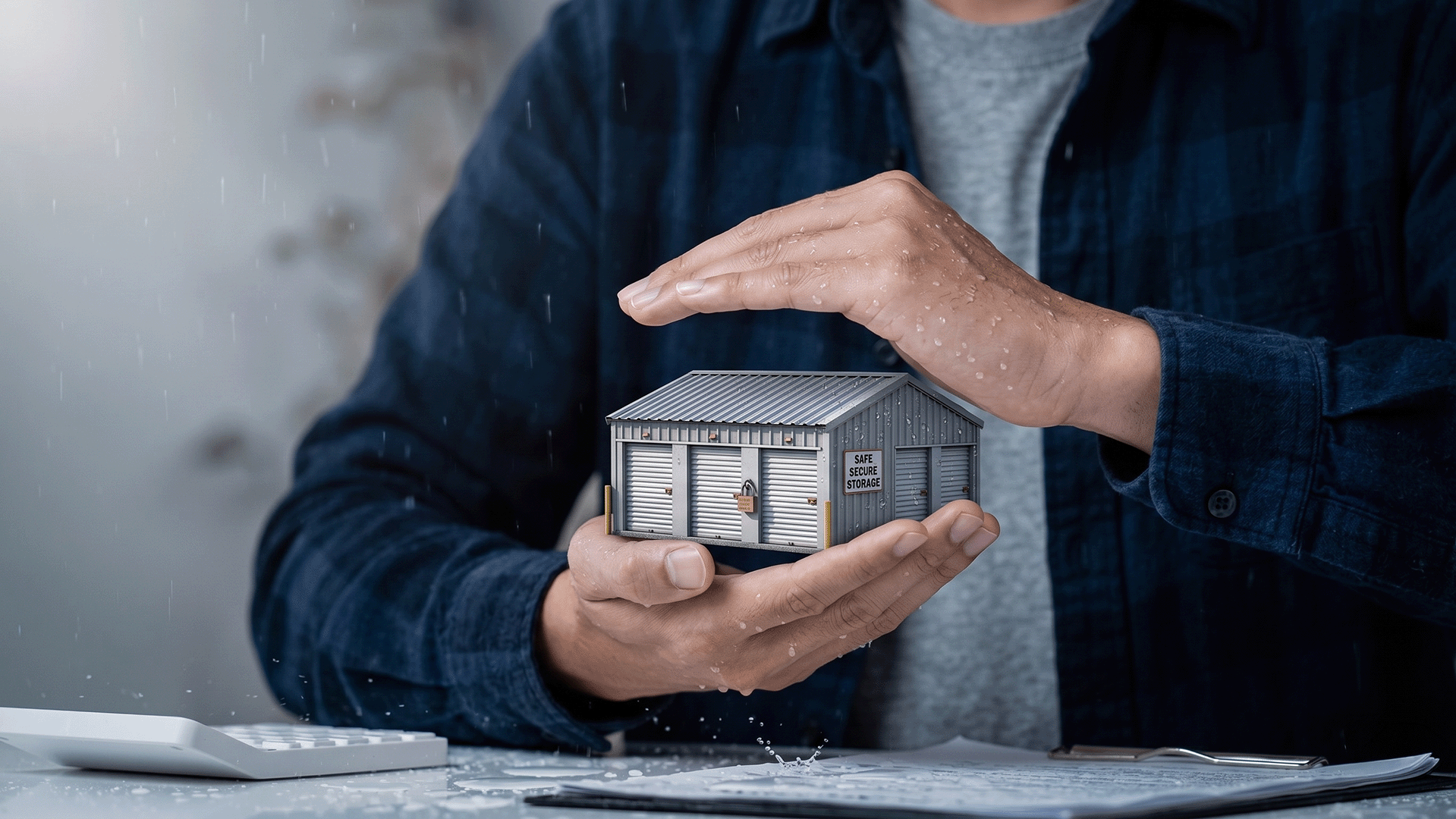
April showers bring May flowers, but they can also lead to self storage water damage, causing leaks, mildew, and flooding in your facility.
Water damage can occur for a variety of reasons, and doesn’t happen only after a hurricane or heavy rainstorm. Poor drainage systems, melting snow, a large construction project, or a broken water main can result in a watery mess and an unexpected chaos for you.
You may find it hard to believe, but according to FEMA, even one inch of water can result in significant damage. If you want to help mitigate the risk of catastrophic loss during these unexpected events, provide your tenants with the option of a Storage Shield tenant protection plan. These plans reimburse tenants for water damage and many more unforeseen incidents.
Give us a call to learn more about Storage Shield, and keep reading to discover the causes of water damage and what you can do to prevent minor problems from becoming major headaches.
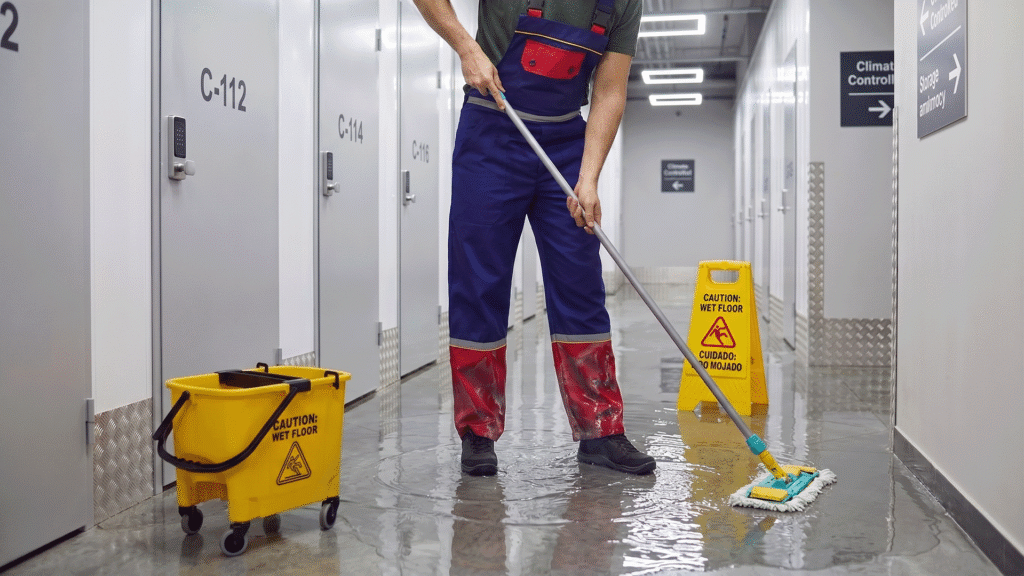
Common Causes of Self Storage Facility Water Damage
The following problems are easy to overlook or put on hold, but small repairs now can prevent potentially costly problems.
1. Leaky Roof
Your roof is one of the most common sources of water damage. Aging materials, storm damage, missing shingles, cracked sealant, and clogged drains can all let water into your buildings.
2. Poor Drainage
If water doesn’t move away from your facility, it can collect around buildings and seep inside. Bad grading, blocked drains, and standing water near structures can create problems.
3. Broken or Clogged Gutters and Downspouts
When gutters overflow, water can run down exterior walls, pool near the foundation, and find its way into units.
4. Foundation and Exterior Wall Cracks
Small cracks in your foundation don’t look serious, but they can let in water over time. Heavy rain or flooding can turn these small cracks into serious problems. Damaged siding, masonry cracks, and worn sealants can also give moisture a path to enter the buildings.
5. Plumbing Leaks
Pipes, water heaters, restrooms, office plumbing, and irrigation lines can all leak. Be on the lookout for small plumbing issues that can cause major damage.
6. HVAC Condensation and Drain Line Problems
Air conditioning systems create moisture. If AC drain lines clog or equipment is not well-maintained, water can build up, resulting in unnecessary problems.
7. Poorly Sealed Doors and Windows
Gaps around doors, windows, and roll-up units can allow wind-driven rain to enter storage spaces.
8. Sprinkler system leaks or accidental discharge
Fire protection systems are important, but damaged sprinkler heads, faulty lines, or accidental activation can cause serious water damage. Check these systems periodically.
9. Burst pipes during freezing weather
In cold climates, frozen pipes can burst and release a large amount of water into hallways, offices, and storage units.
Tips to Help Minimize the Risk of Self Storage Water Damage
One of the most important additions you can make to protect your facility is the addition of a StorSuite tenant protection plan. Life is unpredictable, but these plans provide an extra level of security and cover a multitude of unexpected events.
1. Inspect Your Roof Regularly
Check for missing materials, cracks, standing water, and damaged flashing. It’s much cheaper to fix a small roof issue before it turns into a major leak.
2. Clean Gutters and Downspouts
Remove leaves, dirt, and debris so water can flow away from the building. Make sure downspouts discharge at least 4 to 6 feet away from the foundation.
3. Improve Site Drainage
Walk your property after a heavy rain and look for puddles or areas where water collects. Regrade problem areas and make sure drains are clear and working.
4. Seal Openings Around Doors and Windows
Replace worn weather stripping and repair gaps that could let water in. This is especially important for exterior units and older buildings.
5. Repair Foundation and Wall Cracks Early
Do not wait for small cracks to get worse. Seal them quickly and monitor them over time.
6. Schedule Routine Plumbing Inspections
Check pipes, restrooms, utility rooms, and water lines for leaks. Catching a slow leak early can save you from major repair costs later.
7. Maintain HVAC Systems
Clean drain lines, inspect condensate pans, and service your equipment regularly so moisture doesn’t build up.
8. Winterize Your Facility
In colder areas, insulate exposed pipes and prepare plumbing systems before freezing temperatures arrive.
9. Test Sprinkler and Fire Protection Systems
Regular inspections help you catch leaks, weak spots, or faulty parts before they cause damage.
10. Create a Storm Preparedness Plan
Have a clear process for severe weather. Know who checks the property, how you protect vulnerable areas, and what steps you take after a storm.
11. Spot Trouble Early With Regular Walk-Throughs
Train your team to look for early warning signs like ceiling stains, musty odors, damp walls, puddles, and rust.
12. Document Maintenance and Repair Schedules
Keep records of inspections, repairs, and recurring problem areas. This helps you stay ahead of problems and shows where long-term fixes are needed.
13. Install Water Detection Tools
Leak sensors and moisture monitoring devices can alert you to problems before they spread.
14. Review Insurance and Tenant Protection Plans
Prevention should always come first, but you also need to make sure you are prepared if Self Storage water damage does happen.
15. Work with trusted vendors before you need them
Build relationships with roofing, plumbing, restoration, and drainage professionals now, so you can respond quickly when problems arise.
Final Thoughts
Despite diligent precautions and regular maintenance, minor water damage can grow into a huge headache. Small issues like a minor leak, loose flashing, or a blocked drain can result in expensive repairs. If you want to guard against costly losses for both you and your tenants, stay ahead of small problems, and consider a Storage Shield tenant protection plan to cover the big stuff.