
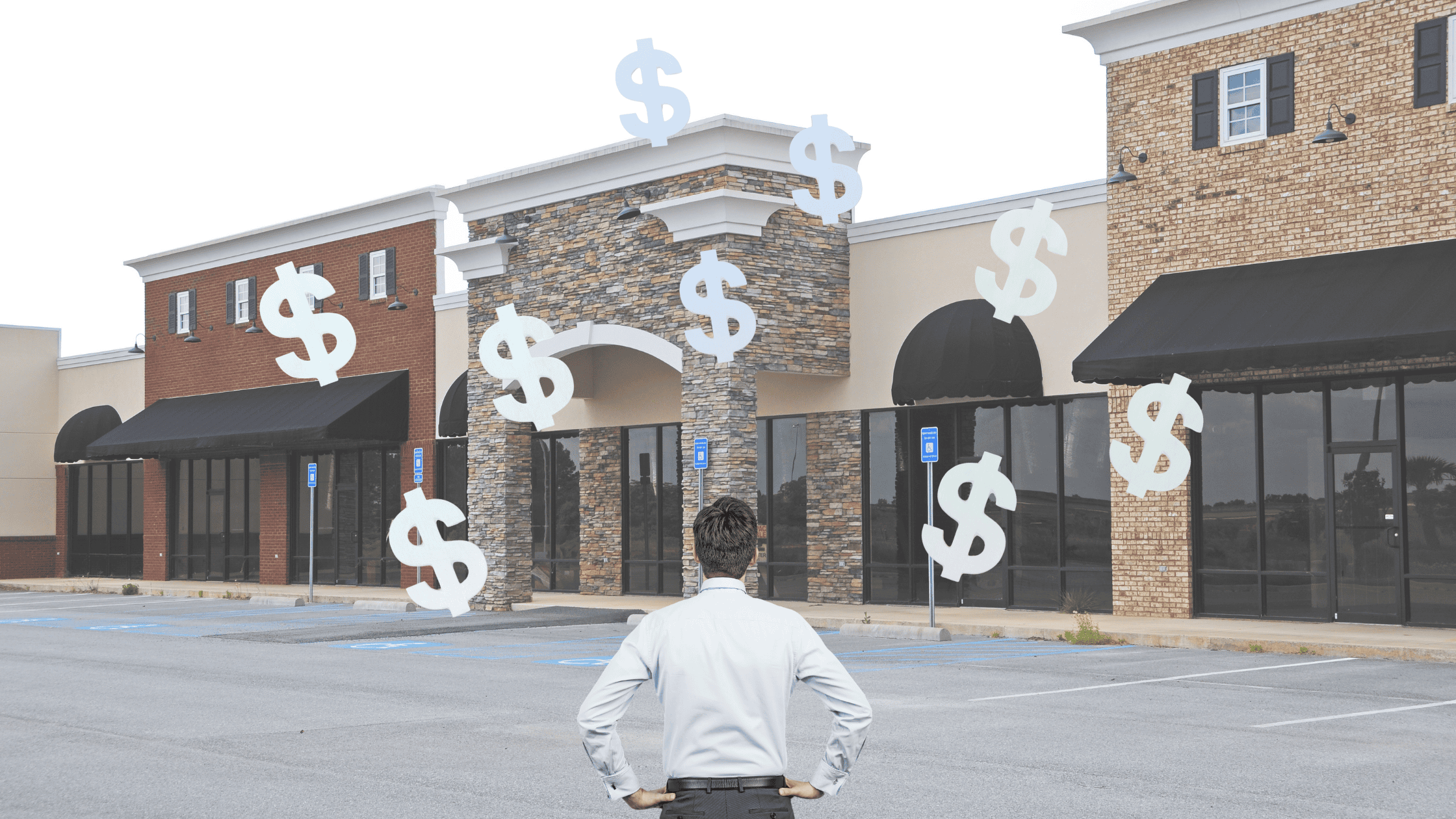
If you invest in self storage, adaptive reuse is a trend you don’t want to ignore. Adaptive reuse simply means converting existing buildings (often industrial or retail) into modern self storage facilities. In the U.S., an estimated 191 million square feet of self storage inventory now comes from adaptive reuse projects, representing roughly 9% of total supply.
So where do you fit into this story as an investor focused on high-performing storage facilities or considering an investment in StorSuite itself?
A modern platform like StorSuite can:
- Source adaptive reuse opportunities in markets where land is constrained but demand is strong.
- Standardize development and operations, using data to select the right buildings, layouts, and unit mixes.
- Leverage technology for revenue management, marketing, security, and customer service to maximize net operating income (NOI) across a portfolio of both converted and purpose-built facilities.
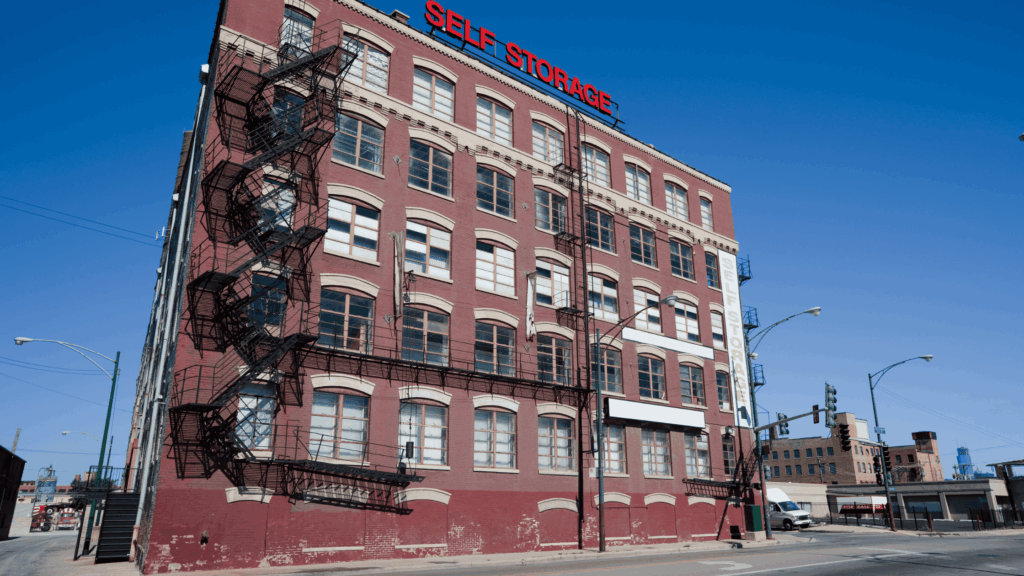
What is adaptive reuse in self storage?
When you invest in an adaptive reuse self storage project, you’re putting capital into a former industrial, office, or big-box retail building that’s being repositioned as storage. According to Storage Cafe, roughly 78% of converted self storage facilities were once industrial properties, and about 16% were retail. Think warehouses, factories, and empty big-box stores reborn as climate-controlled self storage units.
Because the building shell already exists, developers often avoid major site work, lengthy ground-up construction, and some material cost. Industry engineering and construction firms consistently note that adaptive reuse projects can be meaningfully cheaper than building from scratch. For you as an investor, that can translate into faster lease-up, and the potential for attractive yields even in a higher-rate environment.
Why adaptive reuse works for today’s markets.
You’re investing in a world where land in central urban locations is scarce and expensive, while older retail and industrial buildings are increasingly underutilized. Adaptive reuse is the bridge between those two circumstances.
Instead of fighting for land on the metro fringe, adaptive reuse brings storage closer to where people actually live and work. That supports strong, sticky occupancy, and it’s one of the reasons institutional capital is leaning into conversions in dense urban markets.
Adaptive Reuse revitalizes the past while serving modern demand.
There’s also a story component your capital can tap into. When you back adaptive reuse self storage, you’re participating in the revitalization of older buildings like factories, warehouses, or malls that would otherwise sit vacant and become obsolete.
Unused ice rinks and breweries along with dead malls and empty office buildings are examples of structures that have been transformed into secure storage facilities. That’s not just good optics. Revitalized buildings can stabilize neighborhoods, boost tax bases, and bring new foot traffic to nearby businesses.
Why renters and investors both like conversions.
From the renter’s perspective, adaptive reuse facilities can actually be more affordable. Storage Cafe reports that converted facilities average about $141 per month vs. $144 per month for new-built facilities, and they offer lower prices in nearly half of the cities studied.
For you, lower rents don’t necessarily mean weaker performance. When your project can offer lower cost thanks to using an existing structure, there’s more room to compete on price while still preserving margins. Paired with dynamic pricing, automation, and lean staffing, adaptive reuse assets can deliver attractive net operating income (NOI) and resilient cash flow.
Self storage provides steady demand in uneven cycles
A big reason investors like self storage—adaptive reuse or otherwise—is the sector’s resilience. Recent investor surveys and market reports show that self storage cap rates have moved up to the mid-5% range (around 5.8 — 5.9%) in response to rising interest rates, but the sector is still seen as a defensive “safe haven” compared to many other property types.
Smaller living spaces, urbanization, life events (relocation, divorce, downsizing), and business storage needs drive demand. Those drivers can intensify during a downturn, making self storage an appealing allocation if you’re looking for income that’s less matched to office or retail cycles.
How StorSuite and adaptive reuse intersect.
By investing either at the asset level (participating in specific adaptive reuse projects) or at the corporate level (owning a stake in StorSuite’s growth), you’re positioning yourself to benefit from both macro self storage growth and the micro upside of well-executed conversions.
When you partner with a platform like StorSuite, you’re not just buying square footage, you’re backing a strategy that turns overlooked buildings into durable cash-flow engines. If you’re looking for your next allocation, adaptive reuse self storage deserves a spot on your shortlist.